2nd Edition of the Public Health and Midwifery World Conference 2026
Speakers - 2026
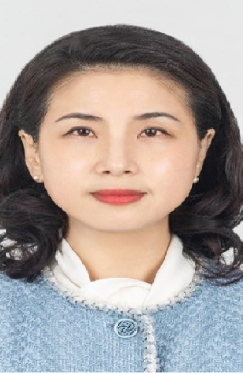
Hyun Sook Lee
Hyun Sook Lee
- Designation: Kongju National University
- Country: Republic of Korea
- Title: Global Trends in Solo Living and Public Health A Socioeconomic Analysis of Mental Health Disparities in South Korea (2019–2024)
Abstract
Background: One-person households have become the most rapidly growing household type globally, reflecting complex demographic changes such as delayed marriage and population aging. In South Korea, this proportion surged from 15.5% in 2000 to 36.1% in 2024, making solo dwellers a critical focus for public health. These households are structurally vulnerable to mental health issues due to weakened social support and increased social isolation. This study aims to investigate the trends in depressive symptoms and perceived stress among Korean one-person households from 2019 to 2024 and quantify changes in socioeconomic health disparities pre- and post-COVID-19.
Methods: We analyzed a total of 244,669 adults living in one-person households using repeated cross-sectional data from the 2019–2024 Korea Community Health Survey (KCHS). To measure the magnitude of inequality across the income distribution, the Relative Index of Inequality (RII) was calculated using income Ridit scores. Multivariate logistic regression was conducted, adjusting for demographic characteristics and health behaviors.
Results: The prevalence of depressive symptoms peaked at 12.1% in 2023 and remained higher in 2024 (11.3%) compared to pre-pandemic levels. A strong and consistent inverse income gradient was identified for depressive symptoms (RII: 0.17–0.39), indicating that the lowest income group was approximately 3.8 to 5.9 times more likely to experience depression than the highest income group. While perceived stress remained relatively stable overall, income-based stress disparities among female one-person households showed a significant change post-pandemic (p=0.012).
Conclusion: Socioeconomic status is a fundamental determinant of mental health for solo dwellers in Korea, with the pandemic potentially entrenching these health gaps. Our findings suggest that public health policies should transition from universal approaches to precision interventions targeting high-risk groups, specifically low-income one-person households, while considering gender and age-specific vulnerabilities.
2nd Edition of the Public Health and Midwifery World Conference (PHMWC) 2026 will make a valuable contribution to enhancing the effectiveness of midwifery a ...
Read More>>
Organizer
